Thinking about renting out a Buckeye Lake property but unsure whether a short-term or long-term approach makes more sense? You’re not alone. With a lake lifestyle that shines in summer and strong commuter access to Columbus and Newark, the choice depends on your goals, risk tolerance, and the property itself. In this guide, you’ll learn how seasonality, regulations, expenses, and cash flow differ for short-term rentals and long-term rentals so you can choose a strategy that fits. Let’s dive in.
Buckeye Lake market snapshot
Buckeye Lake draws visitors for boating, fishing, and a waterfront vibe. Peak demand typically runs late spring through early fall. Weekends tied to Columbus events can also lift bookings. Winter demand is usually softer for vacation-style properties unless you position the home for year-round use.
The area also attracts long-term renters who work in nearby communities or commute to Columbus. Neighborhoods vary. Some are primarily vacation-oriented, while others lean toward full-time residents. This mix supports both short-term and long-term strategies if the property and local rules align.
Short-term rentals: where they shine
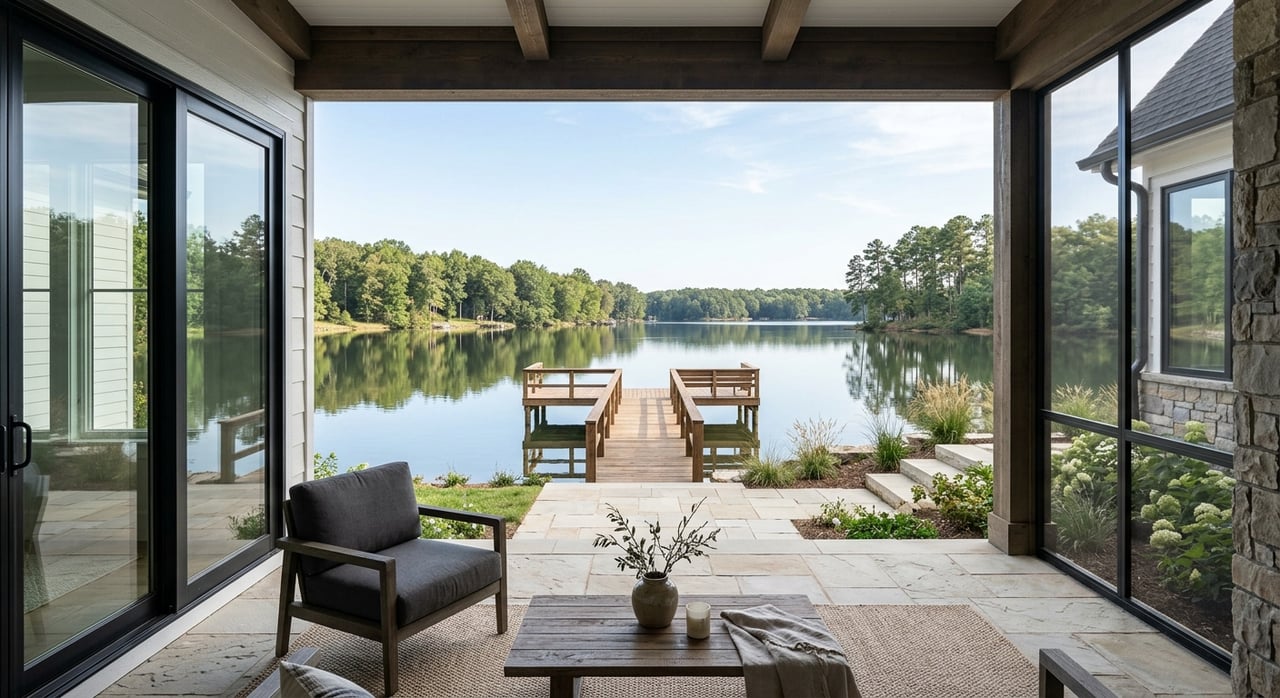
Short-term rentals often perform well when a home emphasizes the lake experience. Waterfront cottages, homes with docks or boat access, and properties with outdoor living areas tend to book faster in peak months. Parking that accommodates trailers and multiple vehicles is a plus for boating guests.
Short-term rentals can deliver higher nightly rates in season. They also allow for personal use if you want to block out weeks for yourself. The tradeoff is more active management and variable income during shoulder and winter periods.
STR revenue and costs to expect
- Revenue patterns: Higher average daily rates in peak season, with softer occupancy in winter. Monitor occupancy by month so you can price and plan cash reserves.
- Operating costs: Expect higher cleaning and turnover expenses, platform fees, and potentially higher management fees if you hire a full-service STR manager.
- Furnishings and supplies: Furniture, linens, cookware, Wi-Fi, and smart access systems increase upfront costs and ongoing restocking.
- Maintenance: Waterfront exposure, docks, and frequent guest turnover can increase maintenance needs over time.
STR setup and guest experience
- Property fit: Prioritize dock access or water views, ample parking, family-friendly bedroom layouts, and outdoor amenities like a deck or grill (confirm local rules for fire features).
- Safety: Life jackets, dock lighting, railings where needed, and clear house rules for boat and dock use help reduce risk.
- Operations: Reliable local cleaning crews and quick-response maintenance support are essential to protect reviews and bookings.
Long-term rentals: steady and streamlined
Long-term rentals can offer consistent monthly cash flow with fewer turnovers. In and around Buckeye Lake, year-round rentals may attract local workers and commuting households who value lake proximity.
Operating costs for long-term rentals tend to be lower. Management fees are generally less than short-term management. Vacancy can be easier to forecast, and many owners prefer the predictability over seasonal swings.
LTR cost and management profile
- Expenses: Fewer cleanings and restocking. Turnovers are less frequent, though you should plan for make-ready costs between tenants.
- Management: If hiring a property manager, fees are typically lower than STR management. You still need reserves for repairs and capital items like roofs, docks, and HVAC.
- Income: Monthly rent is more stable but may be lower annually than a well-executed STR in peak seasons.
Regulations, taxes, and compliance to verify
Rules can vary by location around the lake. Confirm the exact jurisdiction for your address, which may be within Buckeye Lake Village or a surrounding township in Licking County. Each can have different rules for short-term rentals.
What to check before you buy or launch:
- Permits and zoning: Ask about short-term rental registration, allowed uses, occupancy limits, parking rules, and any signage or noise ordinances. Verify shoreline and dock-related requirements.
- Lodging and sales taxes: Confirm transient occupancy taxes and who must collect and remit them. Platform collection varies by area.
- Health and septic: Many lake homes use septic systems. Higher guest counts can affect performance and require inspections or permits.
- Business licenses and safety: Some jurisdictions require business registration and safety checks for rental properties. Confirm fire and egress requirements.
Insurance and risk on the water
Standard homeowners policies often exclude frequent rental use. Match your coverage to your strategy:
- Long-term rentals: Landlord or dwelling policies are common.
- Short-term rentals: STR endorsements or commercial policies are typical, often with coverage for liability and loss of income.
- Umbrella policies: Additional liability coverage is wise for waterfront properties.
Consult an insurance professional who understands Ohio rental and lakefront risks so you know exactly what is covered.
How to model the numbers
A clear model helps you compare strategies side by side and avoid surprises. Build conservative estimates and test worst-case scenarios.
Steps to take:
- Gather revenue benchmarks
- STR: Average daily rate, occupancy by month, RevPAR, and projected gross revenue. Account for seasonality and local competition.
- LTR: Market monthly rent, typical vacancy, and annual rent totals.
- List all expenses
- Mortgage, property taxes, insurance aligned to use type, utilities, HOA or dock fees, maintenance, and a capital reserve.
- STR-specific: Cleaning, turnovers, consumables, platform fees, and management (often higher for STR).
- LTR-specific: Lower turnover costs and typically lower management fees.
- Run cash flow and returns
- Calculate net operating income, cash-on-cash return, and break-even occupancy for STR.
- For LTR, evaluate cap rate and gross rent multiplier alongside cash flow.
- Test sensitivity
- Model what happens if STR occupancy drops 10 to 20 percent in shoulder months.
- Check if you can cover the mortgage and fixed costs through winter.
- Compare net results after realistic expenses and basic tax treatment assumptions.
- Tax positioning
- Understand how rental income is reported and how personal use days can affect treatment. A CPA with rental and STR experience can help you set up correctly.
Seasonality planning and pricing
Expect strong demand from late spring through early fall. Shoulder seasons vary with weather and local events, and winter is generally quieter for vacation stays. Use conservative off-season bookings in your model and plan cash reserves to cover fixed costs.
For STRs, adjust rates as demand shifts and monitor comps often. For more year-round stability, consider whether your property’s layout, parking, and commute access support long-term tenants.
Community relations and property impact
Protect your reputation and the neighborhood’s peace by setting clear house rules, quiet hours, and parking guidance. Communicate turnover schedules to nearby residents when possible. For septic systems, be proactive about capacity, maintenance, and usage guidelines for guests.
Decision checklist
Use this quick checklist to choose the right strategy for your Buckeye Lake property:
- Are STRs allowed at your exact address and zoning? Any caps or permits?
- Does the property fit STR guest expectations or LTR needs?
- Can STR income cover expenses at conservative occupancy levels?
- How much personal use do you want each year?
- What level of management involvement fits your lifestyle?
- Are you comfortable with seasonality, regulatory shifts, and guest-related risks?
- Do you have reserves for lake-specific maintenance and capital items?
Next steps in Buckeye Lake
- Verify local rules with your jurisdiction’s zoning office or clerk.
- Confirm tax registration and lodging tax obligations.
- Check health department requirements if the home has a septic system.
- Speak with an insurance broker who understands short-term and long-term rental coverage for lake properties.
- Build your financial model using local comps and realistic expense assumptions.
If you want help identifying the best-fit properties and comparing STR vs LTR numbers with local comps, our team can guide you. With a proven, data-forward approach and deep knowledge of Central Ohio communities east and southeast of Columbus, we’ll help you make a confident choice.
Ready to run your Buckeye Lake plan and align it with your next chapter? Contact Kim Kovacs and Partners, Coldwell Banker Realty to talk strategy, see relevant comps, or get a tailored plan for buying or selling around the lake.
FAQs
Are short-term rentals allowed at my Buckeye Lake address?
- Rules vary by jurisdiction. Confirm your exact location and check with the village or township for registration, zoning use, occupancy, parking, and noise standards before proceeding.
What lodging and sales taxes apply to a Buckeye Lake short-term rental?
- Lodging and sales tax requirements depend on local rules and whether platforms collect on your behalf. Verify registration and remittance steps with the appropriate tax offices.
How much could I earn with an STR vs an LTR at Buckeye Lake?
- It depends on property type, location, ADR, occupancy, and expenses. Build a conservative model for both paths and compare net results after taxes, management, and maintenance.
What insurance coverage do I need for a lakefront rental near Buckeye Lake?
- Long-term rentals often use landlord policies. Short-term rentals typically need STR-specific endorsements or commercial coverage, plus umbrella liability for added protection.
How seasonal is short-term rental income at Buckeye Lake?
- Demand is typically strongest late spring through early fall. Shoulder seasons vary with events and weather, and winter is usually slower for vacation stays.
What should I check about septic systems for a Buckeye Lake rental?
- Confirm inspection or permit requirements and understand capacity limits. Higher guest counts can strain septic systems, so plan maintenance and clear usage guidelines.