You want more space, smarter layouts, and a neighborhood that fits your family’s next chapter. In Pickerington, your options range from walkable village streets to newer master-planned communities and quiet rural-lot homes. Each area trades something different: yard size, commute time, HOA amenities, or proximity to schools and parks. This guide shows you how Pickerington neighborhoods differ for move-up buyers and how to match them to your budget and lifestyle. Let’s dive in.
What move-up buyers need most
Move-up buyers in Pickerington often want more bedrooms, flexible living areas, and a larger yard. You might also be looking for a primary suite, a finished basement, and a mudroom with easy garage access. Close access to parks, schools, groceries, healthcare, and activities is another big priority.
As you compare neighborhoods, keep a short list of non-negotiables. For many families, that includes a safe, usable backyard, modern kitchen and bath updates, and a layout that supports both work and school routines.
How Pickerington neighborhoods differ
Pickerington sits in the eastern Columbus metro with a wide mix of housing options. Below is a simple framework to help you compare what you will likely see on tour.
Old Village and nearby streets
Older parts of Pickerington near the village center offer mature trees, sidewalks, and walkable access to shops and local events. Homes were often built in the mid to late 20th century, so you may find character features along with the need for updates. Lot sizes can be smaller than in newer subdivisions.
- Pros: Walkability to everyday amenities; established landscaping; potential to renovate or expand over time.
- Cons: Fewer open-concept layouts; limited new construction; smaller yards compared to newer areas.
- Fit: Buyers who value location and character, and who are open to evaluating renovations.
Established suburban subdivisions
Planned subdivisions built throughout the 1980s to early 2000s are common around Pickerington. These neighborhoods often include sidewalks, neighborhood play areas, and mid-size lots suitable for play and landscaping. You will see a mix of two-story family homes, colonials, and some ranches.
- Pros: Good inventory of 3 to 5 bedroom homes; finished basements are common; convenient to established services and schools.
- Cons: Some homes pre-date today’s open-concept trends; certain HOAs may limit exterior changes; age of systems varies.
- Fit: Buyers who want more space without moving far from the village center or established amenities.
New master-planned and luxury enclaves
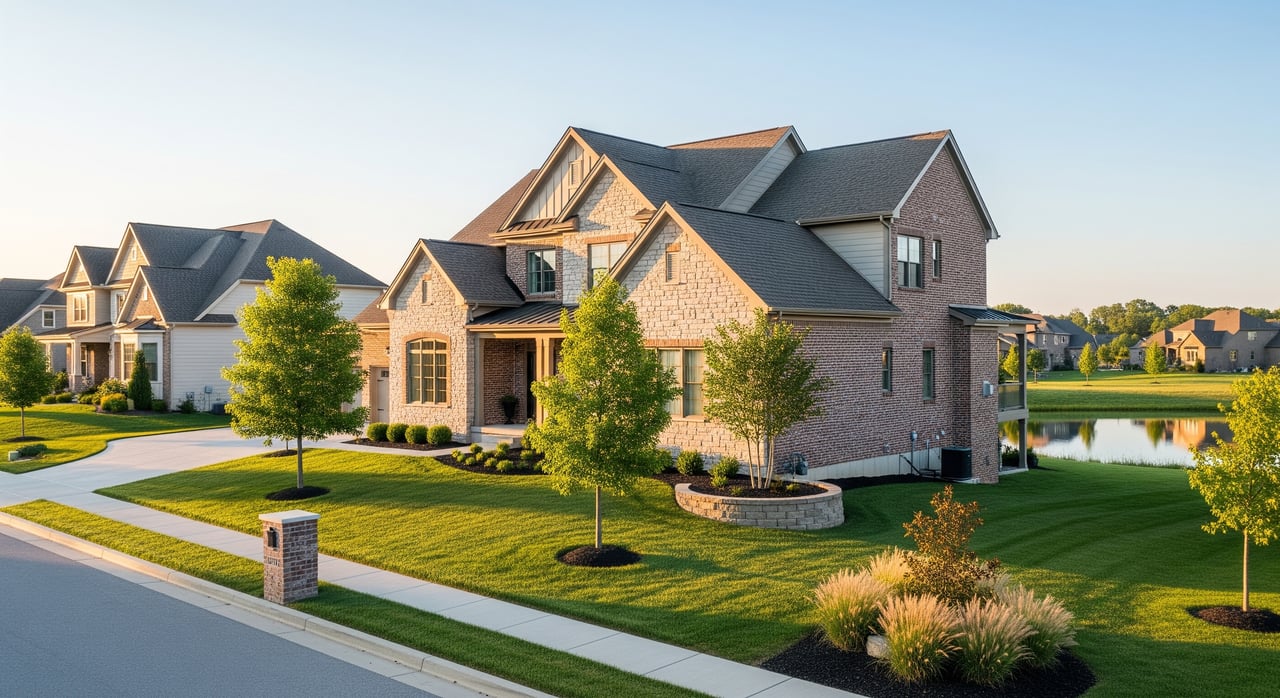
Newer and ongoing-build communities offer open floorplans, energy-efficient systems, and higher-end finishes. Some provide community pools, trails, and design guidelines that keep the neighborhood look consistent. Expect stricter HOA rules and dues in exchange for those amenities.
- Pros: Modern layouts, new systems, larger outdoor spaces in some sections, and neighborhood amenities.
- Cons: Higher price per square foot; active HOA oversight; often located a bit farther from older village-area conveniences.
- Fit: Buyers who want turnkey living, newer construction, and neighborhood amenities.
Rural-lot and semi-rural outskirts
On the edge of town, you will find homes on larger parcels that offer privacy and room to grow. Some properties may be outside city limits while still using a Pickerington address. Utilities can vary by property, and you should verify zoning and any rules for accessory buildings.
- Pros: Space for outbuildings, gardens, and pools; greater privacy; opportunities for additions.
- Cons: Longer drives to work and school; fewer sidewalks; some properties may use septic and well systems.
- Fit: Buyers who prioritize land and privacy over proximity or low-maintenance living.
Townhomes and attached options
Townhome communities and other attached homes provide lower maintenance and HOA-managed common areas. These can be a practical choice if you want a newer interior without a large yard.
- Pros: Less exterior upkeep; newer finishes in some developments.
- Cons: Limited private yard space; HOA dues; fewer large, flexible rooms.
- Fit: Buyers who want move-in ready living and prefer to trade yard size for easier maintenance.
Parks, schools, and services to compare
Parks and recreation access
When you tour, note the nearest parks, trail access, and play spaces. Neighborhood parks are great for daily play, while regional parks can offer trails, sports fields, and programming. Trail networks and sidewalks also add value, especially for strollers, bikes, and resale appeal.
How to evaluate:
- Map drive or bike times to the nearest park and playground.
- Look for sidewalks, crosswalks, and trail links between streets and schools.
- Ask about community pools or recreation centers in newer subdivisions.
Schools and extracurriculars
School assignments often shape neighborhood demand. Attendance boundaries can change as communities grow, so confirm the current elementary, middle, and high school for any address you consider. Review school programming and extracurricular options that matter to your family.
How to evaluate:
- Confirm attendance boundaries with the Pickerington Local School District.
- Review recent performance reports and available programs.
- Ask about typical bus routes and drive times for school drop-off and pick-up.
Groceries, healthcare, and daily services
Most move-up buyers want short, predictable trips to groceries, pediatric care, urgent care, and activities. Drive the route to your most-used stops during peak hours. Also keep an eye on planned commercial developments that may add convenience or traffic.
HOAs and neighborhood rules
HOA rules vary by subdivision. Some cover community spaces and amenities; others set design standards. Review dues, rules on exterior changes and fencing, and reserve funds to understand both cost and flexibility.
What to check:
- Monthly or annual dues and what they cover.
- Rules for paint, fences, sheds, and accessory buildings.
- Budget and reserves for long-term maintenance of amenities.
Commute patterns that shape daily life
Pickerington residents often commute to downtown Columbus, Easton, OSU, and other regional job hubs. Morning and evening travel times vary by route and congestion. Before you decide on a neighborhood, run your typical work and school routes at peak times to compare live drive times.
What to test:
- Routes to each adult’s workplace and to school.
- Alternate routes for days with traffic incidents.
- Options such as carpooling or park-and-ride if public transit is limited.
Budget, taxes, and value considerations
Where your budget stretches
In general, you may find more square footage and larger lots in newer outer-ring subdivisions or rural-lot areas compared with village-adjacent streets. Established subdivisions offer solid value if you want space and convenient access to services. In older homes, recent renovations to kitchens, baths, and systems often drive higher per-square-foot prices.
Taxes and monthly costs
Property taxes and school levies affect your monthly payment. Pickerington addresses can span different taxing districts, so confirm your specific county and district rates. Also factor in insurance, utilities, and any HOA dues to get a complete picture of carrying costs.
Resale and long-term demand
Homes near schools and parks, with modern layouts and flexible spaces, often attract strong buyer interest over time. Features that help resale include a primary suite, a finished or finish-ready basement, ample storage, and a usable backyard. Proximity to everyday services and predictable commute routes also supports long-term value.
How to shortlist three neighborhoods
Use a simple, step-by-step approach to narrow your options.
- Rank your priorities
- Space: minimum bedrooms, layout, and storage needs.
- Yard: size, sun exposure, and privacy.
- Location: drive times to work, school, and essentials.
- Lifestyle: walkability, parks, and community amenities.
- Set a budget and compare types
- Old Village: character and walkability; may trade yard size and updates.
- Established subdivisions: mid-size lots, family layouts, and convenience.
- New master-planned: modern builds and amenities with HOA dues.
- Rural-lot: acreage and privacy; confirm utilities and zoning.
- Do a pre-tour check
- Verify school boundaries and review performance information for assigned schools.
- Look at recent sales and current listings to confirm price expectations.
- Review parcel maps for lot size, setbacks, and any flood history.
- Request HOA documents for any community you are considering.
- Pick your top three
- Choose one option from each type that fits your budget and commute tolerance.
- Schedule tours on the same day so you can compare trade-offs in real time.
What to look for during tours
Home systems and structure
Ask about roof, HVAC, and water heater age, plus any recent permits. In the basement, check for moisture, drainage systems, and signs of past work. Note any additions or structural changes and whether permits were obtained.
Lot and outdoor living
Walk the yard to see drainage patterns and sun exposure. Check fence condition, tree placement, and usable flat areas for play or future projects. Look at how neighboring lots are maintained and whether the street feels calm during peak times.
Neighborhood feel and access
Visit at different times of day to note traffic, lighting, and noise. Test the drive to school, work, groceries, and activities during peak periods. If the neighborhood has amenities, visit them to see how they are used and maintained.
When to bring specialists
Hire a reputable home inspector who knows local building styles. If you are planning renovations or outbuildings, consult a builder, architect, or zoning official about feasibility and cost. For properties near creeks or low-lying areas, ask the county about floodplain status and consider a survey.
Ready to compare homes in Pickerington?
You deserve a clear plan and data you can trust. Our team pairs deep neighborhood knowledge with proven systems to make your move-up purchase more confident and less stressful. When you are ready to tour, we will help you verify school boundaries, review HOA rules, and map commute times so you can choose with clarity.
If you are thinking about selling to buy your next home, we can also help you value your current property and time your move. Start a conversation with Kim Kovacs and Partners, Coldwell Banker Realty for local guidance tailored to your family.
FAQs
Which Pickerington areas have the largest yards for the price?
- Compare rural-lot and semi-rural outskirts first, then newer outer-ring subdivisions; verify average lot sizes and recent sales in your price range before touring.
Where can I find newer, open-concept homes in Pickerington?
- Focus on master-planned communities and recent builds; ask about active builders, remaining inventory, and HOA amenities that fit your lifestyle.
How will my commute change if I move farther from the village?
- Run live route tests to work and school during peak hours from each shortlist neighborhood, then compare the extra minutes against the added space you gain.
How should I factor schools into my neighborhood choice?
- Confirm attendance boundaries for each address, review recent performance information, and compare bus or drive times with your work routes to find the best fit.
What should I know about HOAs in Pickerington neighborhoods?
- Review dues, design rules, and reserve funds; balance the value of amenities and design standards with any limits on exterior changes you plan to make.