If you want a quieter pace without feeling cut off from Columbus, Ashville may already be on your radar. For many buyers, the challenge is finding a place that still feels connected, practical, and active on a day-to-day basis. In Ashville, you get a small-village setting, local traditions, and manageable access to the larger metro area. Here’s what living in Ashville, Ohio, can look like and what to know before you make a move.
Why Ashville Stands Out
Ashville is a village in Pickaway County with about 4,648 residents spread across 2.4 square miles, according to Census Reporter’s Ashville profile. That scale is a big part of its appeal if you want a community that feels smaller and easier to navigate than many Columbus-area suburbs.
The village is located about nine miles north of Circleville and about 10 miles south of Columbus, based on information from Pickaway County Visitors Bureau. That location helps explain why Ashville often appeals to buyers who want a small-town home base with access to jobs, shopping, and services in the broader region.
Ashville also has an average travel time to work of 20.4 minutes, according to Census Reporter. If commute time matters to you, that number suggests Ashville can offer a practical balance between a quieter setting and everyday convenience.
Small-Town Feel, Real Community Life
One of Ashville’s biggest strengths is that community life appears active and visible, not just a marketing phrase. The village has recurring public events, local gathering spaces, and a long-running civic identity that can make it easier to feel connected to where you live.
Ashville Community Park is a central part of that. The 10-acre village-owned park includes a reservable shelter house, a paved quarter-mile loop, a baseball field, and a playground. It also serves as a hub for events such as the annual Viking Festival and the 4th of July Festival.
That event calendar extends beyond one weekend a year. The Ashville Community Park venue page lists monthly Ashville Community Market dates from April through September, along with local vendors, live music, produce, arts and crafts, food trucks, and family-friendly activities. For many buyers, that kind of steady programming says a lot about how a place functions in real life.
Ashville also has a strong historical identity. Ohio’s Small Town Museum preserves local artifacts and community history, and the visitors bureau notes that it houses America’s oldest working traffic light. The same source says Ashville’s Fourth of July Celebration has taken place since 1929, which speaks to the village’s long-standing traditions.
Outdoor Recreation in Ashville
If you enjoy easy outdoor access, Ashville offers a few simple but meaningful options close to home. You may not be moving here for major destination recreation, but you do have places that support a relaxed, everyday lifestyle.
In addition to community park space, Stage’s Pond State Nature Preserve offers 3.5 miles of trails with sunrise-to-sunset access. That gives you a nearby option for walking, getting outside on the weekend, or adding a little nature to your routine.
Local hangouts also help shape day-to-day life. The visitors bureau highlights places like River’s Coffee House on West Main Street, along with other neighborhood businesses in the village. For many buyers, those local stops help reinforce the appeal of living in a place that feels familiar and easy to settle into.
What Homes Are Like in Ashville
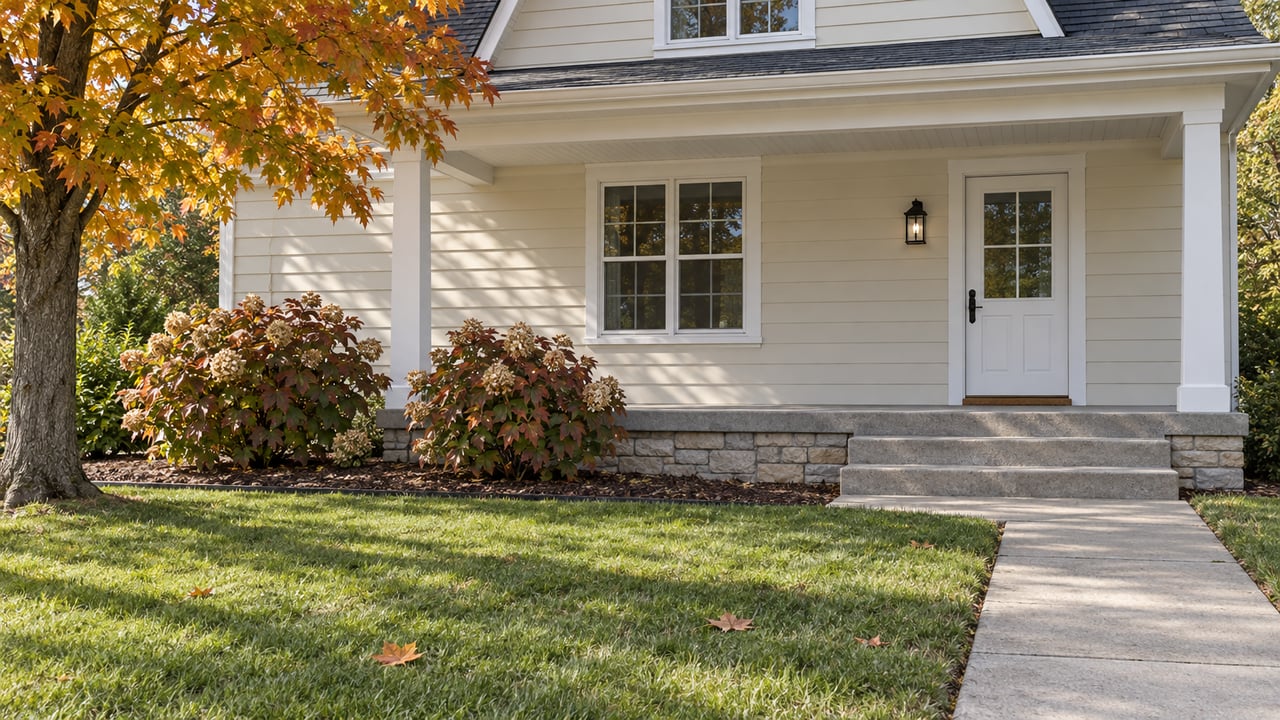
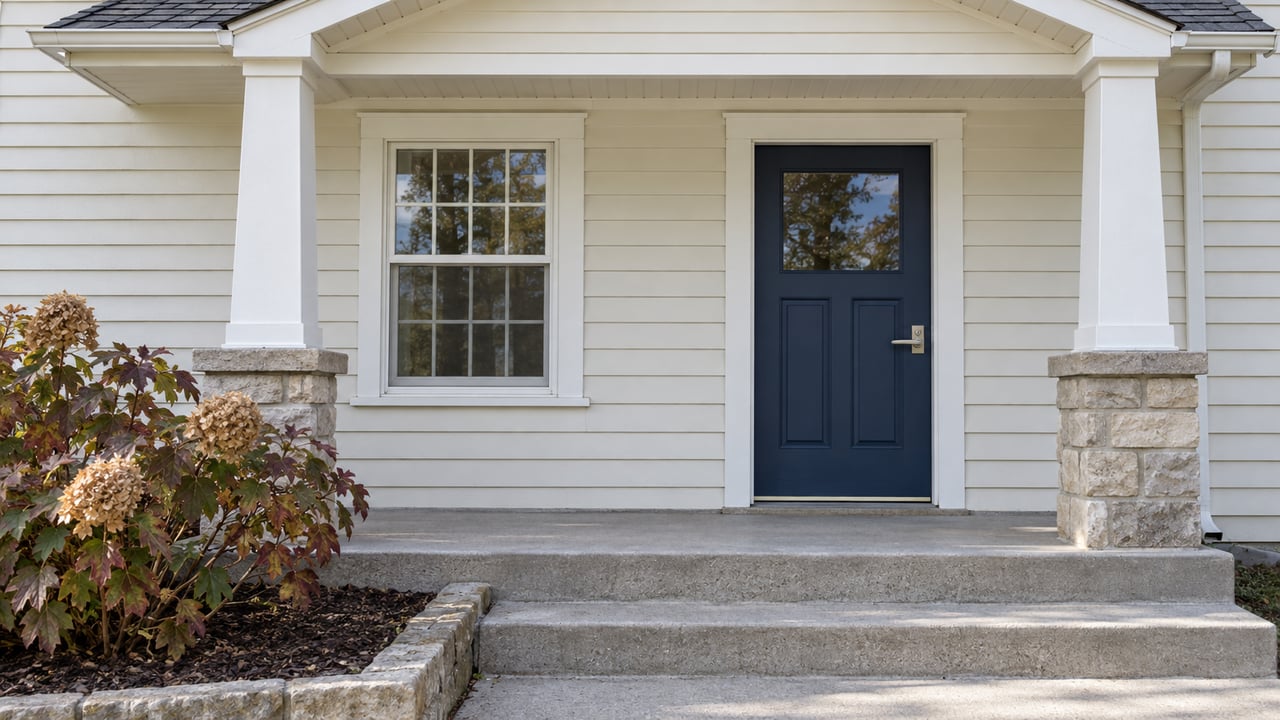
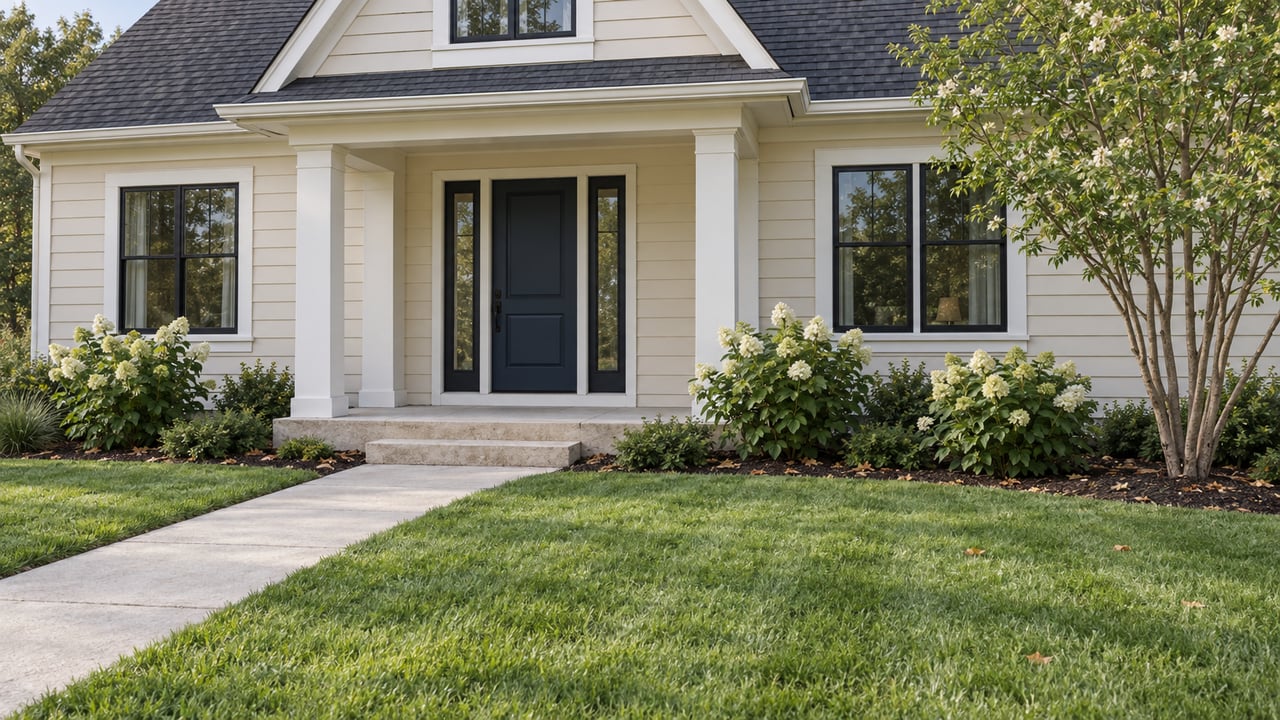
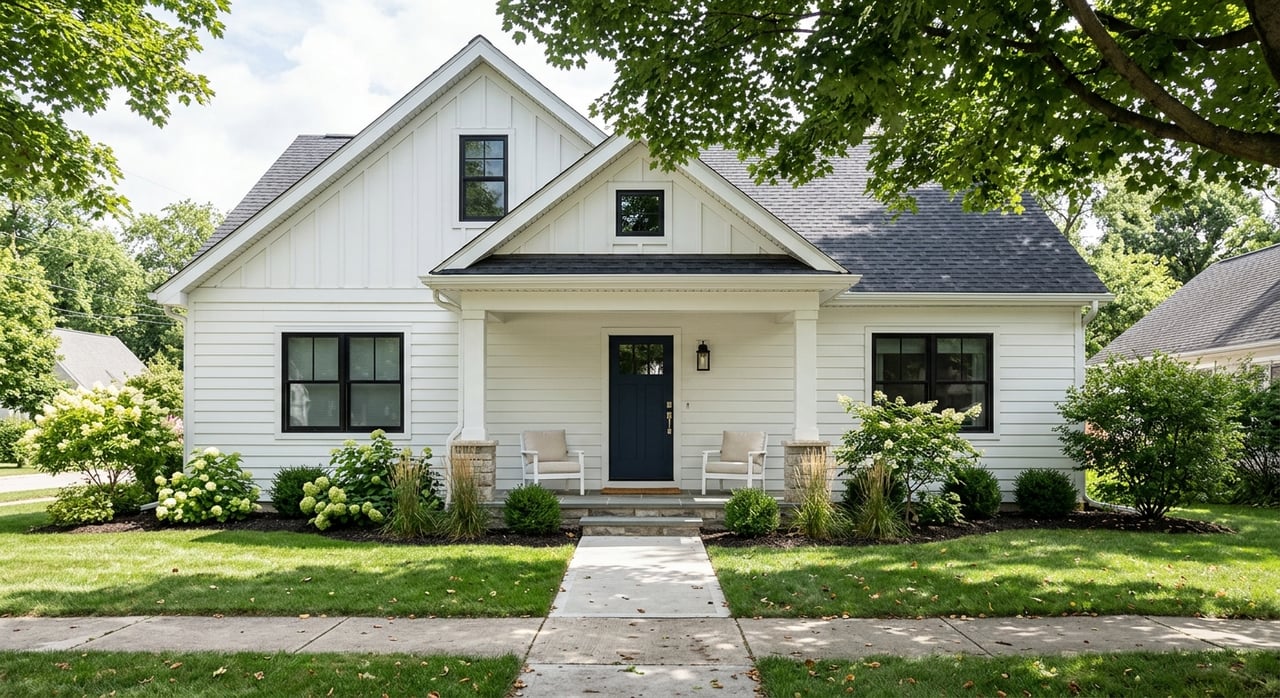
Ashville’s housing stock is primarily made up of detached single-family homes. According to Point2Homes demographic data, 64.1% of the village’s housing units are 1-unit detached homes, with smaller shares in duplexes, apartments, and mobile homes.
That matters if you are looking for a more traditional neighborhood feel with standalone homes as the dominant housing type. It does not mean every block looks the same, but it does suggest Ashville is more aligned with buyers seeking houses rather than a heavily multifamily environment.
The same source reports a median construction year of 1983, with homes ranging from pre-1940 properties to newer homes built in 2020 or later. In practical terms, that means you may find a mix of older character homes, established subdivisions, and some newer construction depending on what hits the market.
Ashville also has a fairly balanced ownership mix. Point2Homes reports that 53.7% of occupied units are owner-occupied and 46.3% are renter-occupied. If you are exploring the area, it is worth looking at each section of the village individually so you can understand the housing style, upkeep, and overall feel of that specific area.
Ashville Home Prices and Affordability
When buyers compare Ashville with other places near Columbus, affordability is often part of the conversation. The numbers suggest Ashville can be somewhat more approachable than the Columbus metro overall, but not dramatically cheaper.
Census Reporter shows a median owner-occupied home value of $291,000 in Ashville, compared with $300,800 in the Columbus metro and $214,800 statewide. The same source reports a median household income of $66,522 in Ashville versus $81,945 in the Columbus metro.
What does that mean for you? Ashville may offer a slightly lower-cost entry point than the broader Columbus market, but it is not a deep-discount alternative. If you are budgeting for a move, it helps to evaluate current listings, taxes, condition, and commute tradeoffs rather than assuming the village will automatically cost far less.
Schools and Everyday Routines
For buyers who want to understand how a community functions day to day, school presence can be an important part of the picture. In Ashville, Teays Valley Local Schools has a visible footprint, with the district office located on Viking Way and schools including Ashville Elementary and Teays Valley High School listed on the district website.
That does not tell you whether a school is the right fit for your household, but it does show that school-related routines are woven into daily village life. If schools are a priority in your move, reviewing district information directly can help you build a clearer picture of logistics, locations, and available programs.
Village Services and Neighborhood Upkeep
Ashville’s local government provides a broad set of services for a village of its size. According to the Village of Ashville website, services include police, street maintenance, refuse and recycling, water, wastewater, stormwater, planning and zoning, and parks and recreation.
The village also maintains a property-maintenance code and a sidewalk and curb assistance program. For homebuyers, those details can matter because they point to an organized approach to upkeep, infrastructure, and pedestrian-friendly improvements.
Who Ashville May Fit Best
Ashville can make sense if you want a home in a community that feels smaller, more grounded, and less fast-paced than much of the Columbus area. It may especially appeal to buyers who value local events, detached homes, and a routine that blends village living with regional access.
It can also be a strong option if you are relocating and want to stay connected to Central Ohio without landing in a denser suburban setting. The combination of local traditions, nearby recreation, visible civic services, and a roughly 20-minute average commute gives Ashville a practical kind of appeal.
Like any move, the right fit comes down to your priorities. Your ideal home may depend on whether you care most about housing style, price point, commute, or day-to-day lifestyle. The key is seeing Ashville in person and comparing its neighborhoods, housing options, and routines with the other communities on your shortlist.
If you are weighing Ashville against other Central Ohio suburbs or planning a move in or out of the area, Kim Kovacs and Partners, Coldwell Banker Realty can help you evaluate your options with local insight and a clear plan.
FAQs
What is Ashville, Ohio like for daily living?
- Ashville offers a small-village setting with local events, community park space, nearby nature trails, neighborhood businesses, and access to Columbus and Circleville.
How far is Ashville, Ohio from Columbus?
- According to Pickaway County tourism information, Ashville is about 10 miles south of Columbus.
What types of homes are common in Ashville, Ohio?
- Detached single-family homes are the most common housing type in Ashville, with Point2Homes reporting that 64.1% of housing units are 1-unit detached homes.
Is Ashville, Ohio a good option for Columbus commuters?
- It can be a practical option for some commuters, with Census Reporter showing an average travel time to work of 20.4 minutes.
What are some things to do in Ashville, Ohio?
- Popular local options include community events at Ashville Community Park, visiting Ohio’s Small Town Museum, and walking trails at Stage’s Pond State Nature Preserve.