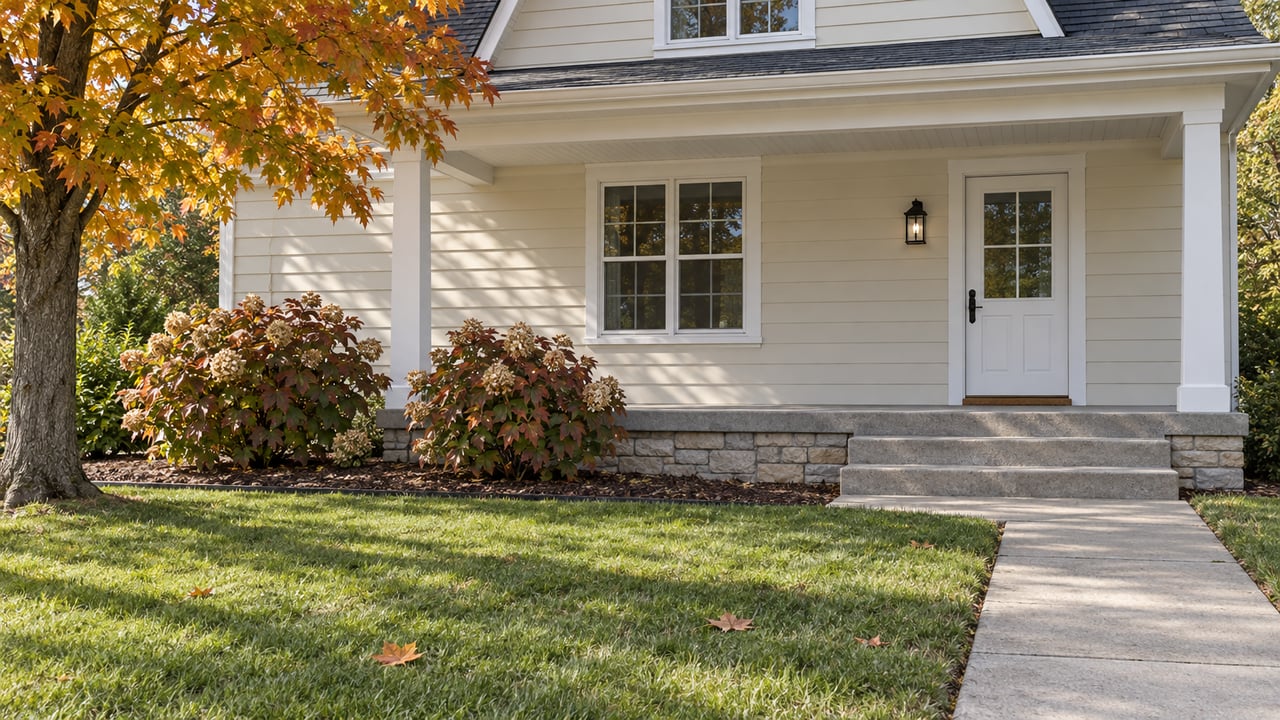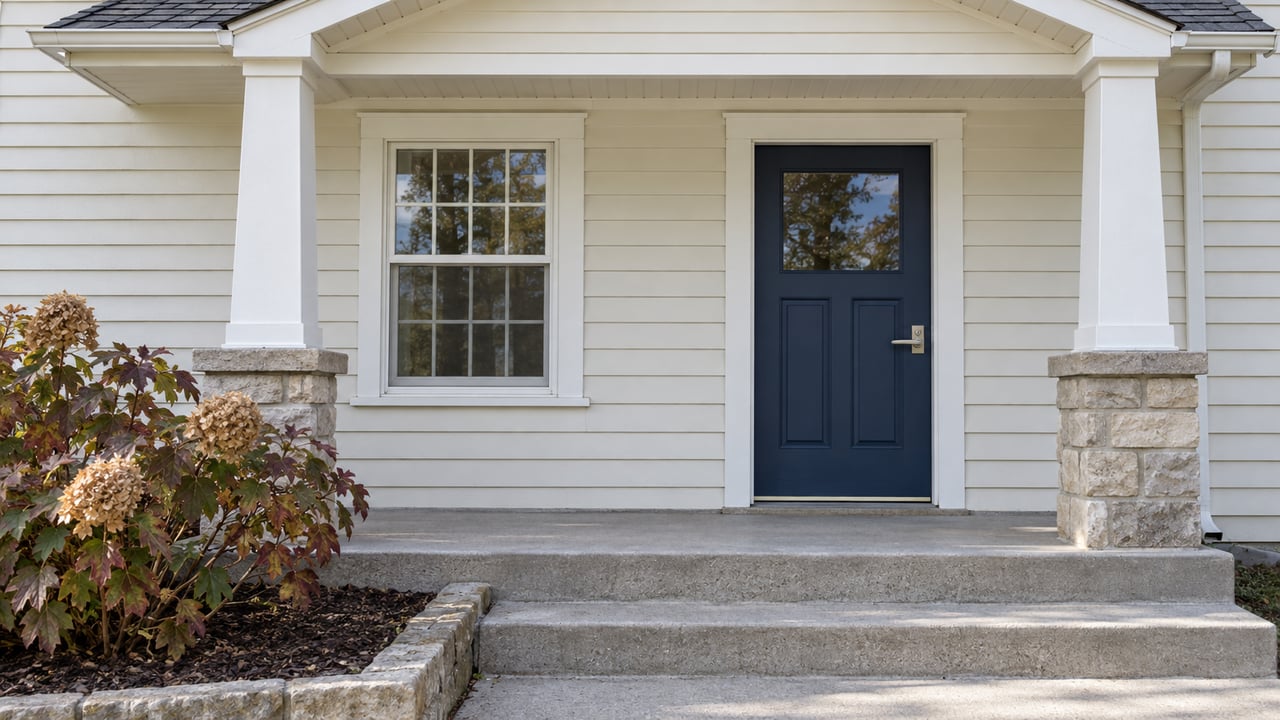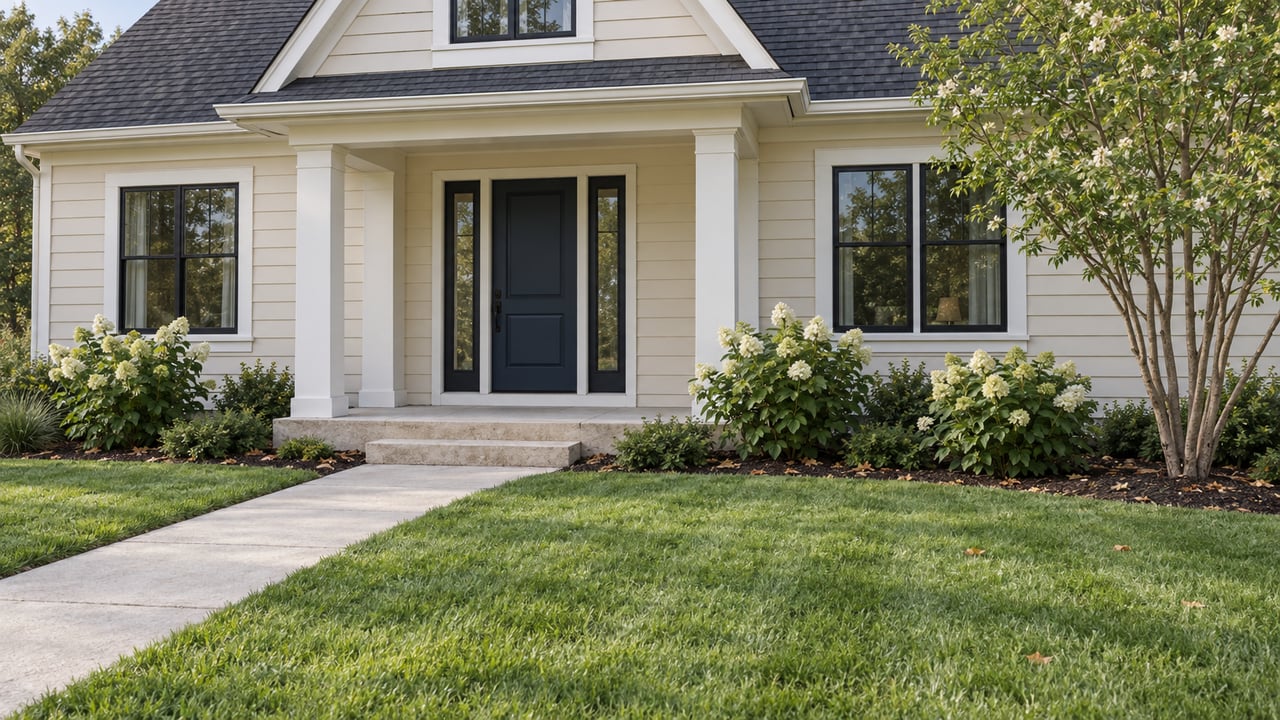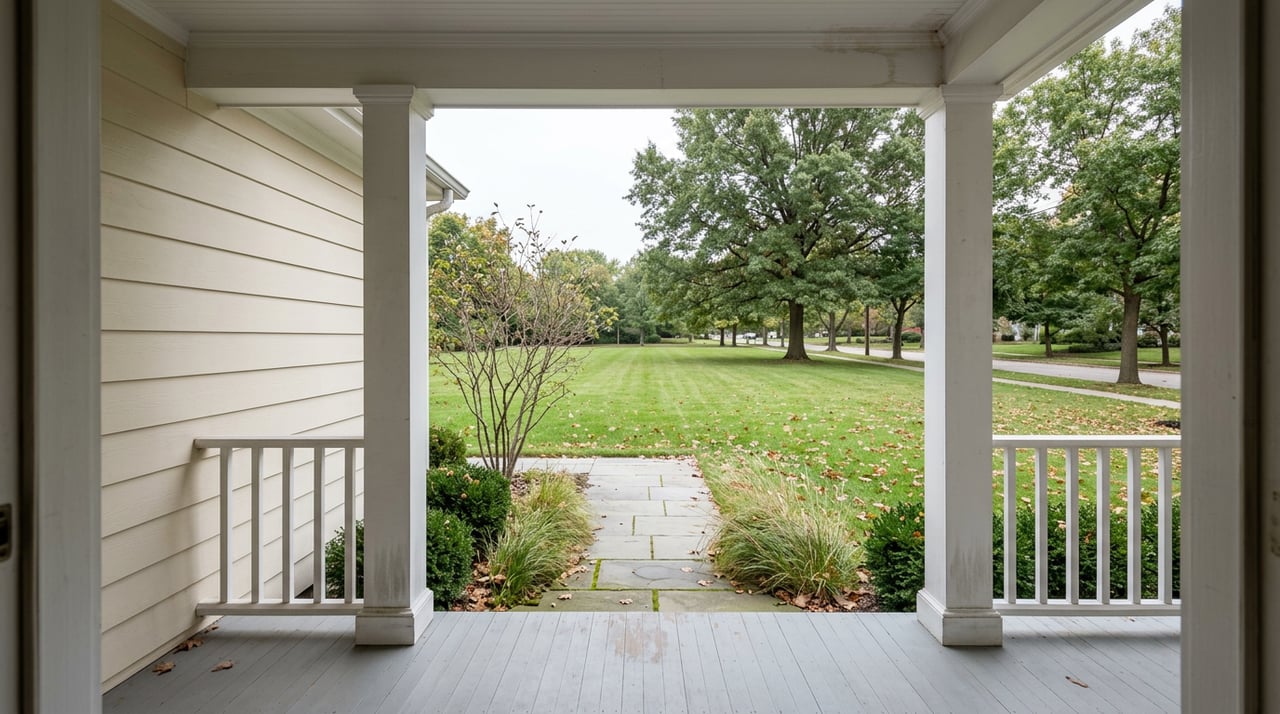
If you are deciding where to live in Lancaster, one question tends to shape everything else: do you want to be close to the energy of downtown, or do you want more space on the edge of town? Both options can work well, but they support very different day-to-day routines. If you understand how Lancaster’s core and outskirts differ, you can narrow your search faster and choose a home that truly fits the way you live. Let’s dive in.
Lancaster offers two distinct lifestyles
Lancaster is a city of 40,552 residents, and its location gives you access to a small-city setting with regional connections through the U.S. Route 33 bypass. Downtown Lancaster sits between Columbus and Hocking Hills, which helps explain why the area appeals to both local movers and relocation buyers.
The biggest thing to know is that “the outskirts” is not one single housing market. In Fairfield County, zoning is handled by individual townships, cities, and villages rather than countywide, so the look and feel of edge areas can change a lot depending on the exact location.
Downtown Lancaster at a glance
If you want convenience and activity close at hand, downtown Lancaster stands out. The official downtown district highlights shopping, dining, entertainment, outdoor public art, and four museums within a walkable four-block area.
That compact layout can make daily life feel simple. Instead of planning every errand around a car trip, you may be able to walk to coffee, a market, a museum, or a meetup with friends.
What daily life feels like downtown
Downtown Lancaster supports a more connected, event-focused lifestyle than many edge areas. Official visitor and downtown resources point to a year-round market, coffee shops, breweries, art spaces, museums, and a regular calendar of events.
The downtown core also includes a Designated Outdoor Refreshment Area, which adds to its active public atmosphere. If you enjoy being near community events and local businesses, that can be a meaningful advantage.
Why buyers choose downtown
For many buyers, downtown comes down to access and character. It can be a strong fit if you value:
- Walkable access to shops, dining, and cultural spots
- A more compact neighborhood pattern
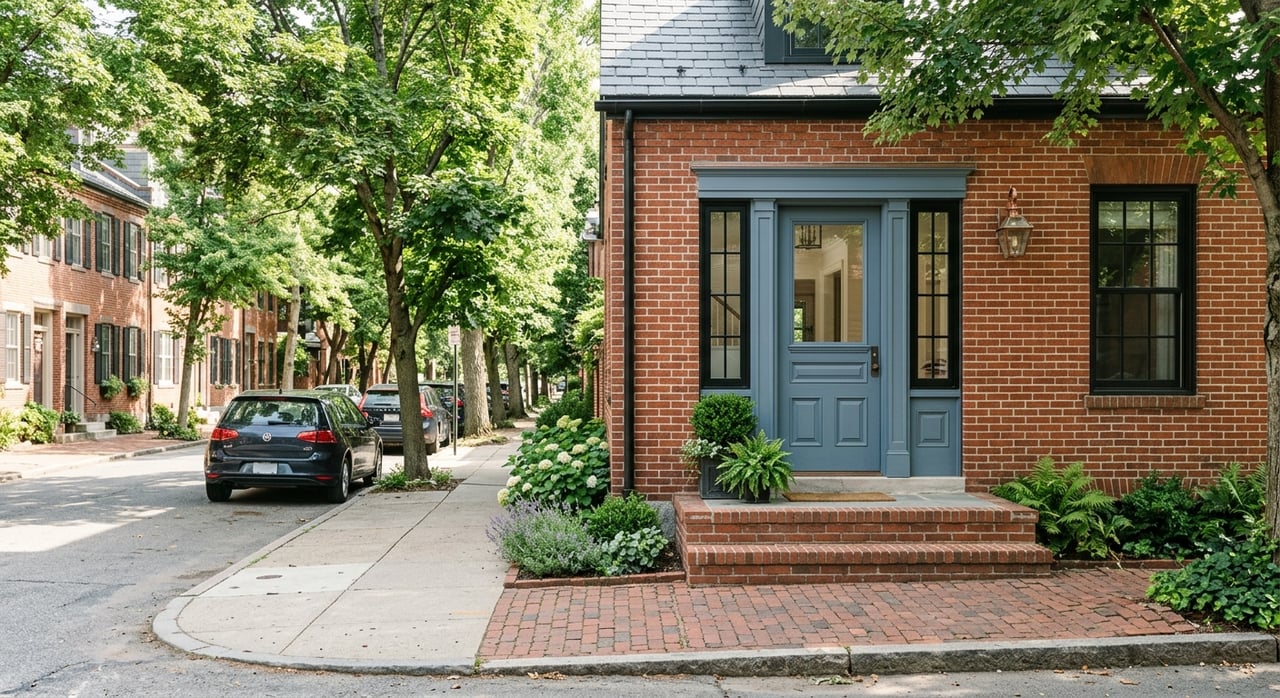
- Historic architecture and older homes with character
- Easier access to downtown events and gathering places
- A mix of walking and transit options in close-in areas
This setting often appeals to buyers who want their neighborhood to feel lively and connected rather than spread out and car-oriented.
Historic homes bring charm and rules
One of downtown Lancaster’s defining features is its preservation focus. The Historic Lancaster District is the city’s first design review district and includes the largest concentration of historic and architecturally significant properties in Lancaster.
That can be a real plus if you appreciate older homes, traditional architecture, and established streetscapes. At the same time, it is important to understand that exterior changes in the district require a certificate of appropriateness.
The trade-off of historic ownership
Owning in or near a historic area can mean access to homes with unique details and strong visual character. It can also mean added review when you want to make exterior updates.
The city has programs designed to support rehabilitation, including a Community Reinvestment Area program created to encourage work on historic structures and existing housing. The city also offers homeowner rehabilitation assistance for eligible residents, which reinforces the local emphasis on preserving and improving older housing stock.
The outskirts offer more room to spread out
If downtown is about proximity, the outskirts are more often about space. Fairfield County planning materials describe the county as still heavily oriented around farmland and rural land use, with about 230,000 acres of prime farmland, or roughly 71% of the county.
That context helps explain why areas outside the core can feel more open and countryside-adjacent. Depending on where you look, you may find larger lots, fewer immediate neighbors, and a quieter setting than you would closer to Main Street.
What housing looks like outside downtown
The county’s housing pattern leans heavily toward single-family homes. Planning materials also note a relative shortage of condos, townhomes, and other smaller-scale housing types, so buyers searching on the outskirts will often see more detached homes than denser residential formats.
Some rural townships support very low-density single-family housing and even two-acre minimum lot sizes. That does not describe every edge area, but it shows how different the outskirts can feel from Lancaster’s compact center.
Why buyers choose the outskirts
The outskirts are often a better match if your priorities include:
- More yard space
- More separation from neighboring homes
- A quieter, lower-density setting
- Detached single-family housing
- A rural or suburban feel with access to Lancaster
For many move-up buyers, that extra space is the deciding factor. If your ideal home includes room to spread out, the edge of Lancaster may align better with your goals.
Driving, walking, and getting around
Your daily routine matters just as much as the home itself. Lancaster is centrally located and connected by the U.S. 33 bypass, which helps residents move around the region.
Fairfield County Transit’s LINK also provides seven loop routes with stops throughout Lancaster and Pickerington, along with curb-to-curb service and medical transportation. In practical terms, that gives close-in neighborhoods and downtown-adjacent areas a stronger mix of walkability and transit access than many homes on the outskirts.
Expect more car dependence outside the core
If you live farther from downtown, you will usually trade convenience for space. Based on the county’s rural land-use pattern and the concentration of amenities downtown, edge locations are generally more car-dependent.
That is not necessarily a drawback. It simply means your day may involve more driving for errands, dining, and activities, while offering more privacy and a less compact setting at home.
Not all outskirts are the same
This is one of the most important points for buyers to understand. The edge of Lancaster is best viewed as a spectrum, not a single lifestyle category.
County planning materials show that some areas remain committed to rural development patterns, while others are accommodating growth pressure and low-density residential development. In other words, one outskirts property may feel very country, while another may feel more suburban and growth-oriented.
What to check before you buy
Because zoning rules vary by township, city, and village, it helps to look closely at the exact location rather than relying on a broad label like “outskirts.” When comparing options, pay attention to:
- Lot size and surrounding land use
- Road access and drive times
- Nearby commercial services
- Development pattern in the immediate area
- Whether the setting feels rural, suburban, or somewhere in between
That kind of local review can make a big difference in whether a home still feels like the right fit a few years from now.
How to choose the right fit
If you are torn between downtown Lancaster and the outskirts, start with your real routine rather than your wish list. The best choice often becomes clear when you think about how you want your average week to feel.
Choose downtown if you want to be near shops, dining, arts, events, and a walkable core with historic character. Choose the outskirts if you want more land, more privacy, and a setting that feels quieter and less dense, with the understanding that you will likely drive more.
A simple side-by-side view can help:
| Feature | Downtown Lancaster | Lancaster Outskirts |
|---|---|---|
| Lifestyle feel | Compact and active | More open and lower-density |
| Housing character | Historic homes and some renovated residential spaces | Primarily detached single-family homes |
| Access to amenities | Strong walkable access in the core | More driving for errands and activities |
| Setting | Event-oriented and connected | Private, spacious, and quieter |
| Best for | Buyers who want convenience and character | Buyers who want space and privacy |
A smart move starts with local insight
Lancaster gives you real variety, and that is a good thing. Whether you are drawn to the walkable energy of downtown or the elbow room of the outskirts, the right choice depends on how you want to live day to day.
If you want help comparing neighborhoods, commute patterns, and home styles in and around Lancaster, working with a team that understands Central Ohio can make the decision much easier. Connect with Kim Kovacs and Partners, Coldwell Banker Realty for expert guidance tailored to your goals.
FAQs
Is downtown Lancaster walkable for daily activities?
- Yes. Official downtown information highlights shopping, dining, entertainment, public art, and four museums within a walkable four-block area, along with a year-round market and other local businesses.
Are Lancaster outskirts mostly rural or suburban?
- They can be either, depending on the exact township and corridor. Fairfield County planning materials show that some areas remain rural in pattern, while others are accommodating low-density residential growth.
What types of homes are common on the outskirts of Lancaster?
- Single-family homes are the dominant housing type in Fairfield County, and outskirts areas often skew toward detached homes rather than condos or townhomes.
Do historic homes in Lancaster come with extra rules?
- Yes. In the Historic Lancaster District, exterior changes require a certificate of appropriateness because the area is a local design review district.
Is it easier to live without driving in downtown Lancaster?
- In many cases, yes. Downtown and close-in neighborhoods have the strongest mix of walkability and access to Fairfield County Transit’s LINK routes.
How should relocation buyers compare downtown Lancaster and the outskirts?
- Start with your daily routine. Downtown tends to fit buyers who want convenience, walkability, and historic character, while the outskirts tend to fit buyers who want more space, privacy, and a quieter setting.