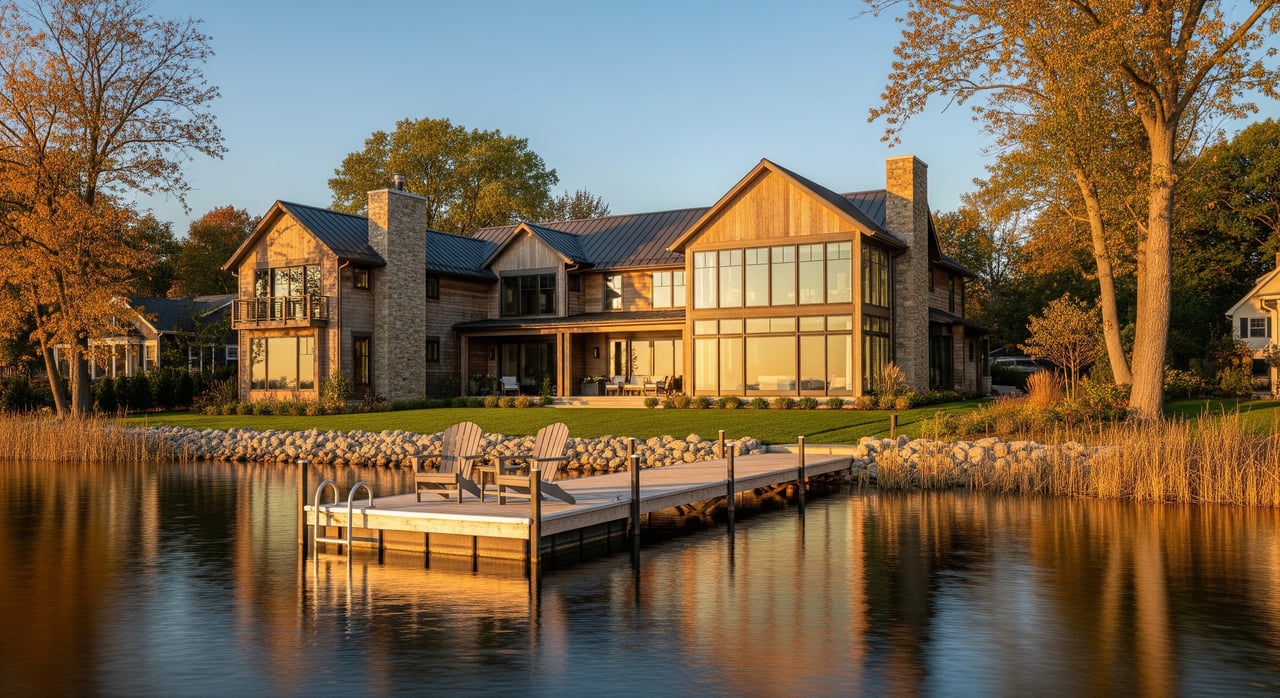
Dreaming of long summer days on the water or planning to sell while the shoreline shines? At Buckeye Lake, timing matters. Buyer traffic follows boating season, and the best opportunities look different in spring, summer, fall, and winter. In this guide, you’ll learn when listings surge, how lake life shapes demand, and the best steps to take in each season. Let’s dive in.
Why listings surge at Buckeye Lake
Buyer interest peaks when the lake is active and outdoor features are easy to evaluate. Several local rhythms drive that pattern.
- Boating season focus: From Memorial Day through Labor Day, you see the most showings and listing views as buyers want to experience docks, shoreline, and water access in real time.
- Weekend and holiday traffic: Summer visitors and short‑term renters often transition into buyers, which boosts demand and leads to more listings.
- Weather and visibility: Warm months make waterfront features, landscaping, and views more compelling in photos and in person. Winter curb appeal can be limited.
- Family timing: Many families shop in summer and list in spring to coordinate moves with the school calendar.
- Permits and projects: Dock work, shoreline repairs, and landscaping usually happen in warmer months, so sellers aim to finish before peak season.
What to expect by season
Spring (March to May)
- Market behavior: Activity accelerates in March and many sellers list in April or May to meet summer demand.
- Buyer motivations: Early shoppers want a home ready for boating by Memorial Day. Investors and second‑home buyers often target this window.
- Seller actions: Finish exterior repairs, prep docks, clean shoreline, and plan professional photos as landscaping wakes up. Confirm permits for dock or shoreline work.
- Strategy note: Listing 6 to 8 weeks before Memorial Day helps you capture buyers planning for summer use.
Peak summer (June to August)
- Market behavior: Highest buyer traffic and listing views as the lake is in full use. Weekend showings surge.
- Buyer motivations: Evaluate boating access, water quality, and marina operations while the lake is active. Families leverage summer schedules to shop.
- Seller actions: Keep dock and yard show‑ready, highlight recreation features, and consider flexible closing dates if you want to enjoy part of the season before moving.
- Pricing dynamics: Competition can be strong. Well‑priced homes may see multiple offers, though financed buyers still look for value.
Late summer to early fall (September to October)
- Market behavior: Secondary active period with pleasant weather and great foliage.
- Buyer motivations: Shoppers who missed summer and investors seeking off‑peak pricing return to the market.
- Seller actions: Emphasize fall views and reduced competition compared with midsummer. Highlight any recent maintenance and shoreline care.
Late fall to winter (November to February)
- Market behavior: Slowest window for showings and new listings. Inventory drops, but so does buyer competition.
- Buyer motivations: Serious buyers aim for better negotiation leverage and more time for due diligence.
- Seller actions: Complete interior projects, service systems, and prep for spring. If you list in winter, use high‑quality interior photos and clearly label any prior summer exterior photos.
- Strategy note: A winter listing can reduce competition, but marketing must account for low curb appeal and limited lake visibility.
Buckeye Lake property factors to check
Water access and docks
- Access types vary: deeded waterfront, riparian rights, community ramps, or off‑site marina slips. Confirm the exact access on any listing.
- Permits and rules: Docks, boathouses, and shoreline work often require permits and must follow Ohio DNR and local zoning.
- Marina slips: Availability can be limited. Check policies and waitlists if a slip is important to you.
Flood risk and insurance
- Floodplain status: Some waterfront lots sit in regulated flood zones or experience seasonal high water. Review FEMA flood maps and local designations.
- Insurance: Flood coverage and wind exposure can affect premiums and lending. Ask for elevation certificates and any prior flood claim history.
Utilities, septic, and wells
- Sewer vs septic: Parts of the area use public sewer while others rely on septic systems. Sellers should disclose inspection and maintenance history. Buyers should request septic and well testing as needed.
- Wells: Near-shore wells may be affected by seasonal drawdowns, so confirm potability and performance.
Environmental and maintenance
- Shoreline stability: Erosion control, rip‑rap, and prior permitting can influence upkeep costs.
- Water quality and algae: Conditions can vary by season. Ask for recent reports when available.
- Invasive species and weed control: Community or association treatment schedules can impact use and costs.
Local rules, associations, and rentals
- HOAs and covenants: Dock size, boat type, exterior changes, or rental use may be restricted. Review all documents early.
- Short‑term rentals: Confirm township and county rules, any licensing, and local taxes if rental income is part of your plan.
Timing tactics that work
For sellers
- Target peak demand: Aim to be market‑ready 6 to 8 weeks before Memorial Day. Finish dock and shoreline work, landscaping, and septic servicing early.
- Late summer or fall listing: Leverage lower competition and standout foliage. Keep lakeside elements tidy and well photographed.
- Winter listing: Price thoughtfully, focus on interior strengths, and disclose if exterior photos were taken in another season.
- Marketing must‑dos: Use warm‑season drone and waterfront photos when possible, highlight marina or deeded access, and be upfront about HOA or rental rules.
For buyers
- Early birds: Starting in late winter through spring opens more options before peak competition, and you can be on the water by summer.
- Off‑season shoppers: Winter can offer better leverage and more time for inspections. If shoreline use is key, plan to revisit in warm weather or arrange boat access.
- Due diligence: Verify dock permits, flood elevation, septic and well status, marina slip availability, and any HOA or covenant rules.
Example calendars
- Seller planning a Memorial Day launch:
- January to February: Get quotes, permits, and a punch list in place.
- March: Complete interior work, service systems, schedule staging.
- April: Landscaping and dock prep. If weather allows, capture photos and list in late April or early May.
- Buyer targeting summer use:
- Winter: Line up financing, research neighborhoods and marinas, shortlist homes.
- Spring: Tour actively, order inspections early, be ready to offer in May or June.
Photo and marketing ethics
- Use current images when possible. If you include summer photos in a winter listing, clearly label dates and note seasonal differences. Transparency builds trust and reduces legal risk.
Next steps and local resources
Whether you want your lake home on the market before holiday weekends or you hope to negotiate in a quieter season, planning is everything. Pair your timeline with the lake’s calendar, then align your prep, photos, and pricing with how buyers shop in each season.
If you are weighing the best window for your Buckeye Lake move or want a season‑specific pricing plan, reach out to Kim Kovacs and Partners, Coldwell Banker Realty. Our team combines neighborhood insight, disciplined systems, and broad marketing reach to help you move with confidence.
FAQs
What month is best to list a Buckeye Lake home?
- Aim to be on market 6 to 8 weeks before Memorial Day to capture peak boating season, with a secondary window in early fall.
Is winter a good time to buy at Buckeye Lake?
- Winter offers lower competition and more negotiation room, but plan to verify shoreline and boating conditions in warm weather or arrange a summer visit.
What permits and inspections are essential for lake homes?
- Confirm dock and shoreline permits, complete septic inspections if applicable, test well water when relevant, and review floodplain status.
Do limited marina slips affect value and demand?
- Yes. Homes with deeded docking or assigned slips can attract more interest when slip availability is tight.
How does flood risk impact insurance and financing at Buckeye Lake?
- Properties in flood zones may face higher premiums and tighter lending terms. Review flood maps, elevation data, and any prior claim history early in the process.