Dreaming about a lake place where weekends feel easier and summer plans make themselves? Buying a second home at Buckeye Lake can be a smart lifestyle move, but it comes with a different checklist than buying a typical suburban home. If you want a property that fits how you’ll actually use it, this guide will help you think through location, costs, maintenance, rental rules, and resale before you make an offer. Let’s dive in.
Why Buckeye Lake draws second-home buyers
Buckeye Lake stands out because it offers a true four-season recreation setting within easy reach of Central Ohio. The Village of Buckeye Lake describes the lake as about 3,300 acres and about 30 miles east of Columbus, with activities that include boating, fishing, water skiing, swimming, picnicking, ice fishing, and ice boating.
That variety matters when you are buying a second home. You are not just buying a place to sleep near the water. You are buying access to a lifestyle that can work in summer weekends, shoulder seasons, and even winter.
It also helps to know that Buckeye Lake is not one uniform market. The EPA watershed plan and local planning documents show a broader lake area that includes places such as Millersport, Harbor Hills, Fairfield Beach, Thornport, and Thornville, while the Village of Buckeye Lake sits on the north shore. For buyers, that means your experience can change a lot depending on exactly where you buy.
Think in micro-locations
One of the biggest mistakes second-home buyers make is searching Buckeye Lake as if every property offers the same tradeoffs. It does not. The village comprehensive plan separates the area into lakefront neighborhoods, central neighborhoods, suburban neighborhoods, rural areas, and corridor or commercial districts.
That is useful because it gives you a better way to compare homes. Instead of asking only, “Is it near the lake?” ask how each micro-location fits your priorities for access, privacy, upkeep, and year-round convenience.
Lakefront parcels
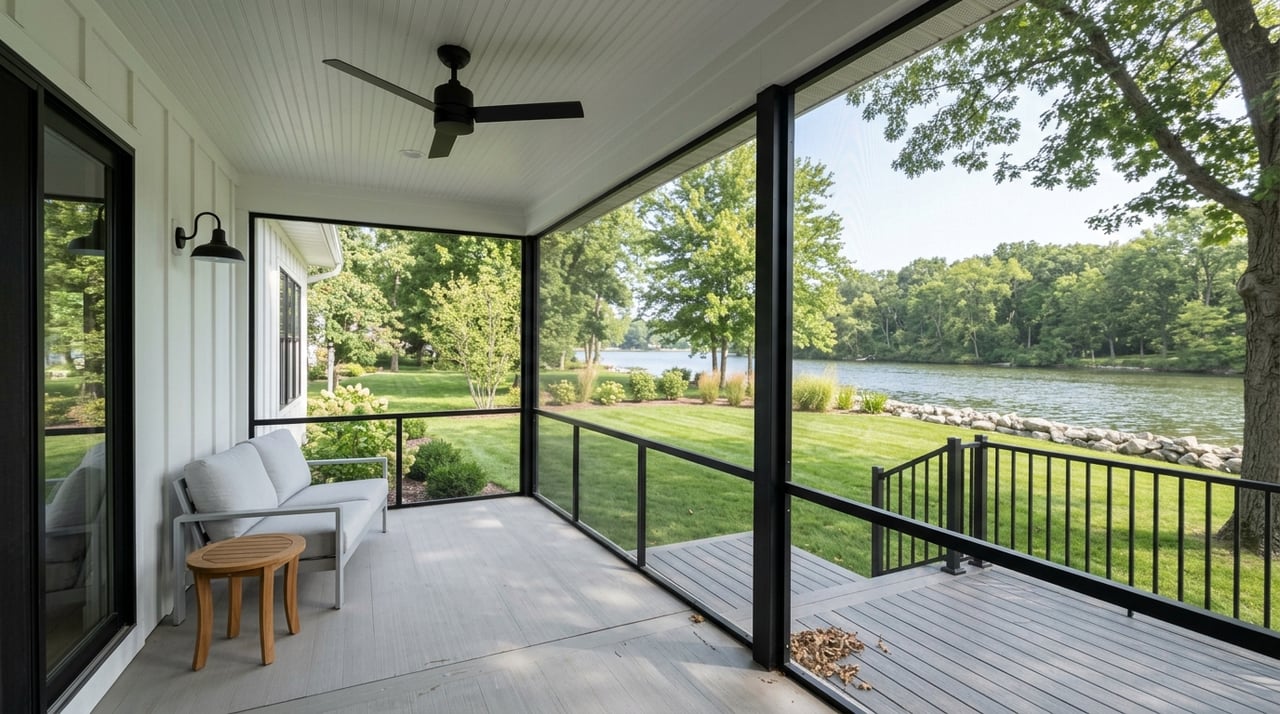
A true lakefront home may give you the most direct water access and the strongest vacation-home feel. It can also bring more maintenance, more regulation, and more due diligence around shoreline condition, floodplain questions, docks, and winterization.
Village-centered locations
A property closer to the village can offer easier access to services and major roads. The Village of Buckeye Lake notes that the community is adjacent to I-70 and served by State Routes 79 and 360, which can make weekend trips simpler and help with year-round use.
Inland options
An inland property may trade direct waterfront access for lower upkeep and more flexibility. For some buyers, that is the better second-home choice, especially if you want an easier lock-and-leave setup or a property you may use more often throughout the year.
Choose the right property type
Buckeye Lake offers more than one kind of second-home setup. According to the village overview, housing in the community includes single-family homes, condominiums, apartments, and senior living.
For most second-home buyers, the real decision is practical. Do you want the feel of a dedicated lake house, or do you want a property that is simpler to manage when you are away?
A single-family lake home may give you the outdoor space, views, and water access you want. A condo or lower-maintenance setup may reduce the number of tasks waiting for you every time you arrive.
Understand the market before you offer
Buckeye Lake is a relatively small market, and that matters. Realtor.com market data suggests a thin and active inventory, with about 12 homes for sale, a median home sale price around $408.8K, median price per square foot of $223, median days on market of 89, and a sale-to-list ratio of 95% in February 2026.
In a market like this, broad averages can only tell you so much. A handful of waterfront or highly unique sales can skew the numbers. That is why local comparable sales, property condition, and exact location matter more than a simple “average Buckeye Lake price” when you are evaluating value.
Budget for the real carrying costs
Your mortgage is only part of the math on a second home. Utility and maintenance costs can change your monthly budget more than many buyers expect.
The Village of Buckeye Lake utilities page lists public water service, AEP electricity, trash, gas, internet, and Licking County wastewater or sewer among the services available in the community. As of the village’s 2026 water ordinance, the basic water rate is $39.35 per month for the first 2,000 gallons, with $11.42 for each additional 1,000 gallons. The county’s Buckeye Lake sewer district lists a 2026 residential monthly sewer rate of $50.23.
Those base costs matter, but they are only the start. A second home may also require seasonal yard care, dock-related upkeep, shoreline maintenance, winterization, and repairs you would not face in a typical inland home.
A quick second-home budget checklist
Before you buy, plan for:
- Mortgage payment
- Property taxes and insurance
- Water and sewer charges
- Electricity, gas, trash, and internet
- Seasonal maintenance
- Winterization or vacancy prep
- Exterior repairs from weather or shoreline exposure
- Potential dock or shoreline compliance costs
Do not overlook winterization
A second home near the lake needs a clear plan for periods when you are away. The village water department guidance tells residents to make sure water sources are off before leaving for winter or vacation, and it also has a formal water-service abandonment or abatement process for long-vacant properties.
That is a strong reminder that not every Buckeye Lake property is equally easy to manage. If you want a low-maintenance second home, make sure the home’s utility setup, plumbing exposure, and vacancy plan match that goal before closing.
Check floodplain and insurance questions early
If you are considering lakefront or near-water property, flood due diligence should happen early, not late. The Licking County floodplain page explains that Buckeye Lake floodplain questions are handled through the Licking County Planning Commission for general inquiries, and that elevation certificates are used for insurance and floodplain permitting.
The same page notes that elevation certificates must be completed by a licensed surveyor, engineer, or architect. FEMA’s Flood Map Service Center is the official source for flood-hazard data, and FEMA also notes that standard homeowners insurance usually does not cover flood damage.
For you, the takeaway is simple. Verify the parcel’s flood status, ask what insurance may be needed, and understand any permitting issues before you get too far into the transaction.
Treat docks and seawalls as regulated assets
One of the best parts of lake ownership can also be one of the most misunderstood. If a home includes a dock, mooring area, seawall, or shoreline improvements, do not assume those features are informal or easy to modify.
Ohio’s administrative code for Buckeye Lake State Park waters requires written permission for dock, moorage, or tie-up construction. It also requires written permission for seawall and other shoreline revetment construction.
That means you should evaluate these features the same way you would evaluate a roof or foundation. Confirm what exists, what is permitted, and what future work may require approval.
Understand shoreline condition and long-term upkeep
Buckeye Lake offers a great recreation lifestyle, but the shoreline environment deserves respect. The EPA watershed plan describes the shoreline as heavily developed in places and notes ongoing development pressure.
It also describes the lake as shallow, with a mean summer depth of about five feet, and notes that nutrient input has been a continuing concern because it can affect recreational water quality and fish habitat. For a buyer, that means shoreline condition, erosion control, and exterior maintenance deserve close attention during your inspections and due diligence.
If you plan to rent it, verify the rules first
Some buyers hope a second home can offset costs with occasional short-term rentals. That may be possible, but at Buckeye Lake it is a compliance question as much as an income question.
The Village of Buckeye Lake short-term rental page says each unit requires an annual short-term rental or bed-and-breakfast license. The license is valid only for the calendar year and is non-transferable. Owners must show liability insurance of at least $500,000 per unit, install a Knox Homebox, complete fire inspection for maximum occupancy, and pay applicable fees and bed taxes.
The village also has code enforcement and planning oversight, so it is wise to confirm current rules before assuming a property can be used the way you want. If rental income is part of your plan, verify the licensing path and tax treatment before you set your budget.
Keep resale in mind from day one
Even if you expect to enjoy the property for years, resale still matters. A second home is easier to sell later when it appeals to more than one type of buyer.
Realtor.com’s local buyer FAQ points to location, school quality, and property condition as common decision factors. The village overview notes that Lakewood Local School District serves the area. Even if schools are not part of your own second-home criteria, they can still influence future buyer interest.
In practical terms, homes with easier access to I-70, village services, and lake amenities may appeal to a broader range of future buyers than properties with more difficult access or higher maintenance demands. Buying with resale in mind does not take away from the fun. It simply helps protect your flexibility.
A smart way to buy at Buckeye Lake
The best second-home purchases usually start with honest priorities. If you want direct water access and a classic lake-house feel, you may accept more maintenance and more regulation. If you want convenience, easier travel, and simpler ownership, a village-centered or inland option may fit better.
The key is to match the property to your actual use pattern, not your vacation-daydream version of it. When you buy with a clear plan for costs, compliance, and upkeep, Buckeye Lake can be a rewarding place to own a second home.
If you are weighing your options around Buckeye Lake and want practical guidance rooted in Central Ohio market knowledge, connect with Kim Kovacs and Partners, Coldwell Banker Realty. You will get clear advice, local insight, and a thoughtful strategy for finding the right fit.
FAQs
What should you know before buying a second home at Buckeye Lake?
- You should look closely at micro-location, carrying costs, floodplain questions, shoreline or dock regulations, winterization needs, and resale potential before making an offer.
Are all Buckeye Lake homes true waterfront properties?
- No. Buckeye Lake includes lakefront, village-centered, suburban, rural, and inland areas, so access, privacy, upkeep, and convenience can vary a lot by location.
Can you use a Buckeye Lake second home as a short-term rental?
- Possibly, but you should verify current village rules first because short-term rentals require licensing, liability insurance, a Knox Homebox, fire inspection, and payment of applicable fees and taxes.
Why do floodplain checks matter for Buckeye Lake homes?
- Floodplain status can affect insurance, permitting, and ownership costs, and standard homeowners insurance usually does not cover flood damage.
What ongoing costs should you expect with a Buckeye Lake second home?
- In addition to your mortgage, you should budget for water, sewer, electricity, gas, trash, internet, seasonal maintenance, winterization, and possible shoreline or exterior repair costs.
How do you choose the best Buckeye Lake location for a second home?
- Start with how you plan to use the property, then compare whether a lakefront, village-centered, or inland location offers the right balance of access, upkeep, and year-round convenience.